
LIMITLESS, A FILM SERIES
thursday nights in july
About LIMITLESS
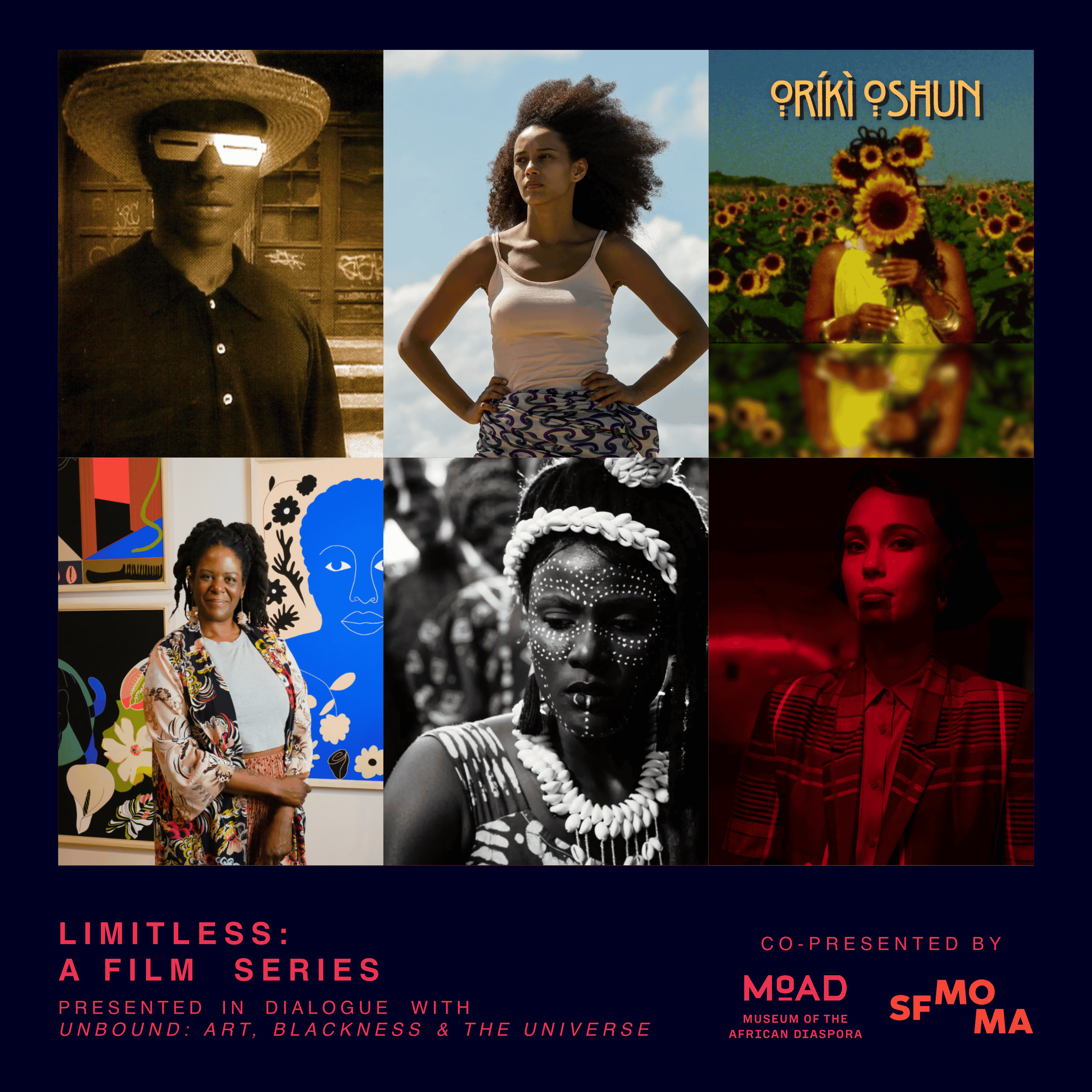
Join us for a month long series showcasing award-winning films across the African Diaspora, featuring guest filmmakers and speakers.
MoAD’s groundbreaking exhibition UNBOUND: Art, Blackness, and the Universe invites audiences to experience Blackness as expansive, limitless, and cosmic, reaching beyond the boundaries of Earth into space, time, and imagination.
In dialogue, with the exhibition, the Limitless film series brings together award-winning films from across the African Diaspora, including the United States, United Kingdom, Brazil, the Caribbean, French Guiana, Nigeria, and Zambia. Spanning narrative, documentary, and experimental work, these films explore speculative futures, ancestral memory, science fiction, African mythology, and visionary figures such as Octavia Butler and George Clinton.
a chance to engage more deeply with the stories and ideas shaping this dynamic cinematic experience.

Tickets & Location
Tickets are free with museum admission. To RSVP to individual screenings, please either click on the buttons below for each film, or access the tickets through our calendar.
View the schedule and learn more about the filmmakers and speakers below.
LOCATION:
Note that there are two separate locations where the events take place:
MoAD – 685 Mission Street – San Francisco (Map)
SFMOMA – 151 3rd Street – San Francisco (Map)
LIMITLESS Film Collection: July 2nd - July 30th
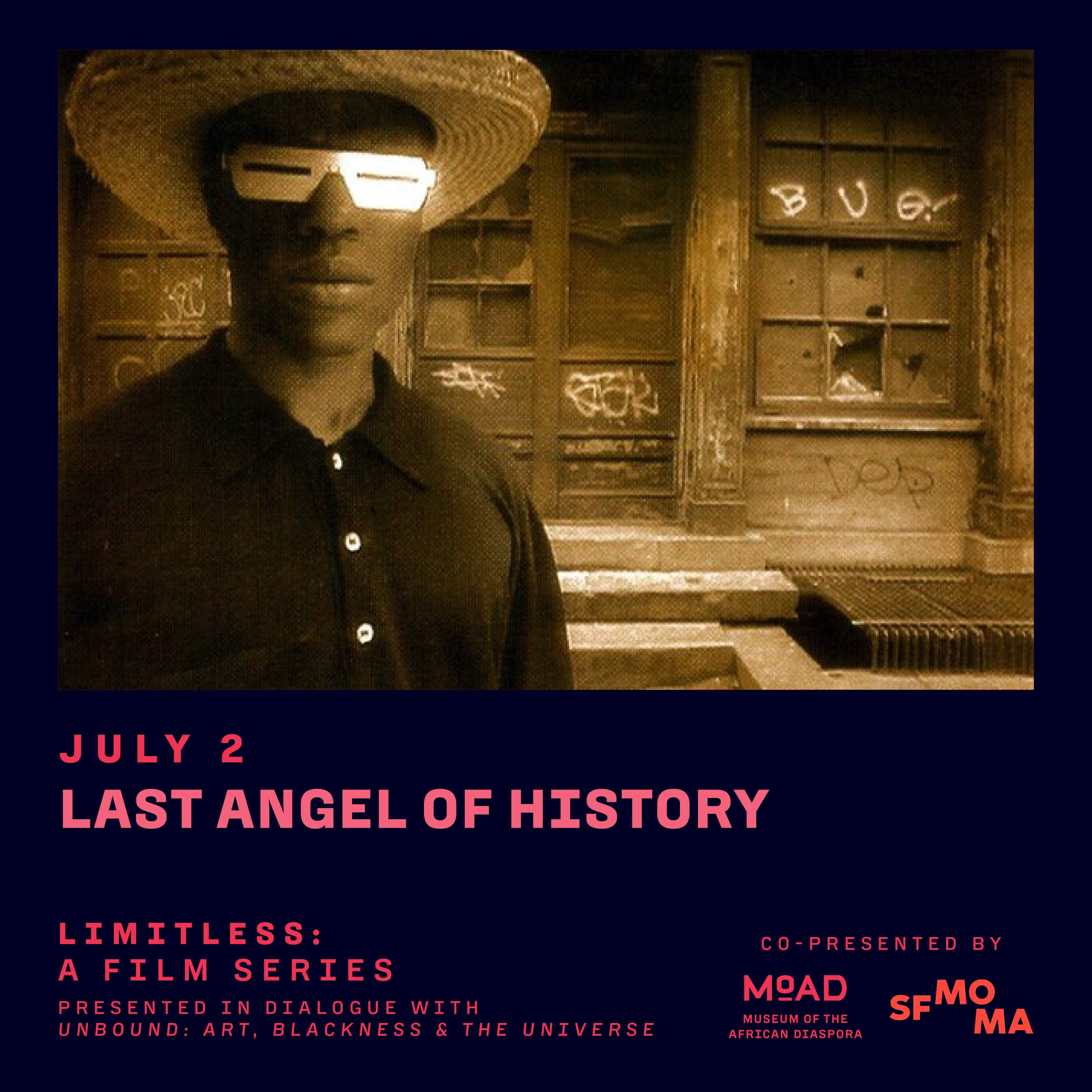
July 2, 6-8pm (@SFMOMA) LAST ANGEL OF HISTORY (John Akomfrah, 45 minutes, 1996), plus the short film AFRONAUTS (Nuotama Bodomo, 14 minutes, 2014). A pre-recorded conversation with filmmaker John Akomfrah and Key Jo Lee, MOAD’s Chief of Curatorial Affairs & Public Programs will follow, and we will conclude with a live discussion between Lee and LIMITLESS curator Cornelius Moore.
LAST ANGEL OF HISTORY - John Akomfrah, director of Seven Songs of Malcolm X, returns with an engaging and searing examination of the hitherto unexplored relationships between Pan-African culture, science fiction, intergalactic travel, and rapidly progressing computer technology.
AFRONAUTS - It's July 16, 1969. America is preparing to launch Apollo 11. Thousands of miles away, the Zambia Space Academy hopes to beat America to the moon in this film inspired by true events.
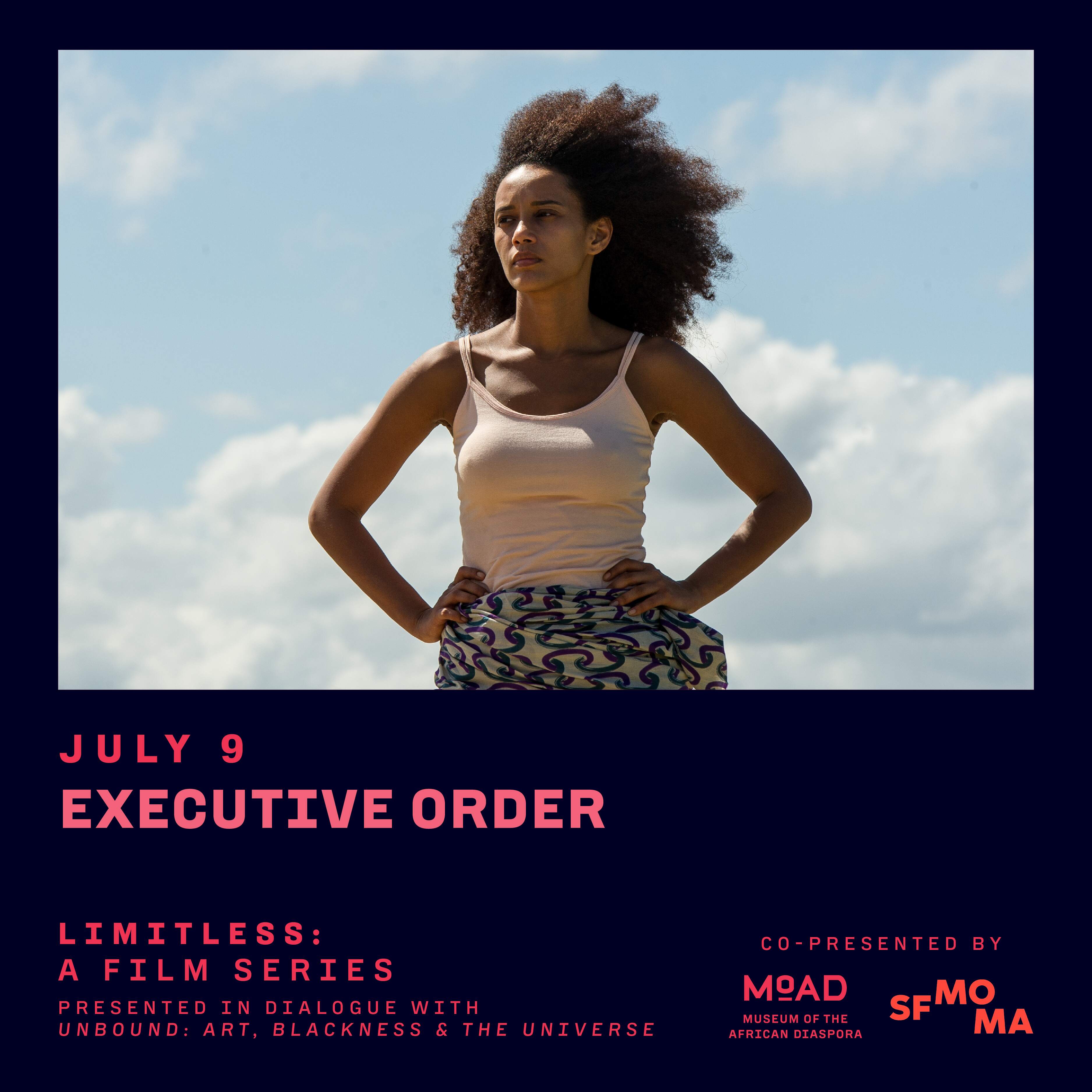
July 9, 6-9pm (@MoAD) EXECUTIVE ORDER (Lázaro Ramos, 101 minutes, 2020. In Portuguese with English subtitles), followed by a post screening discussion with LIMITLESS curator Cornelius Moore and UC Berkeley Professor Tianna Paschel.
Set in Brazil “somewhere in the future”, a lawyer sues the Brazilian government for reparations for the descendants of enslaved Africans. EXECUTIVE ORDER is a chilling and astonishingly current thriller.
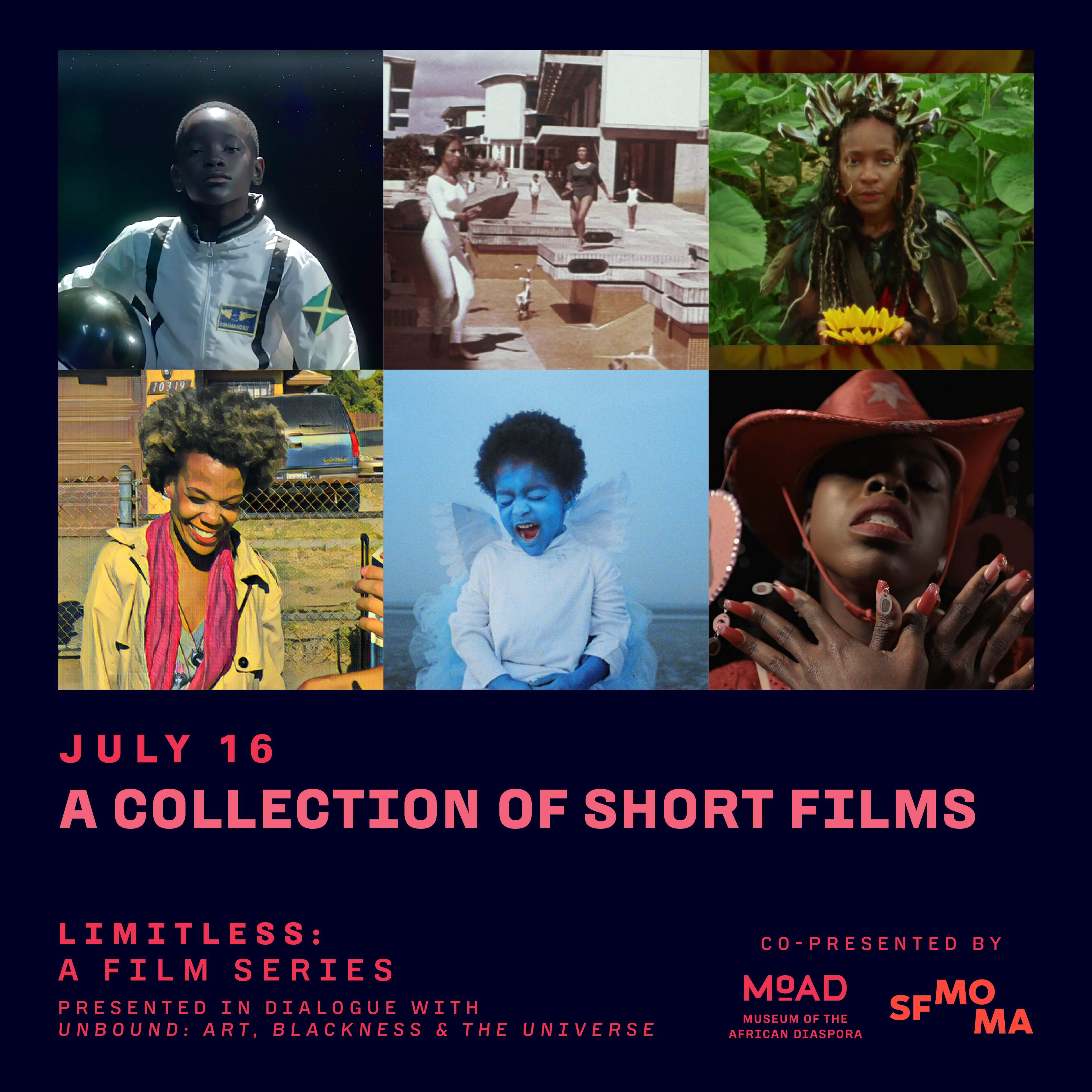
July 16, 6-9pm (@MoAD) a collection of short films followed by a post screening discussion with LIMITLESS curator Cornelius Moore and San Francisco State University Film Studies professor Rae Shaw.
A collection of short films including LISTEN TO THE BEAT OF OUR IMAGES (Audrey Jean Baptiste and Maxime Jean Baptiste, 15 minutes, in French with English subtitles, 2021); FLIGHT (Kia Moses and Adrian McDonald, 13 minutes, 2018); T (Keisha Rae Witherspoon, 14 minutes, 2019); ORIKI OSHUN (Elena Guzman, 16 minutes, 2025); and REBIRTH IS NECESSARY (Jenn Nkiru, 10 minutes, 2017).
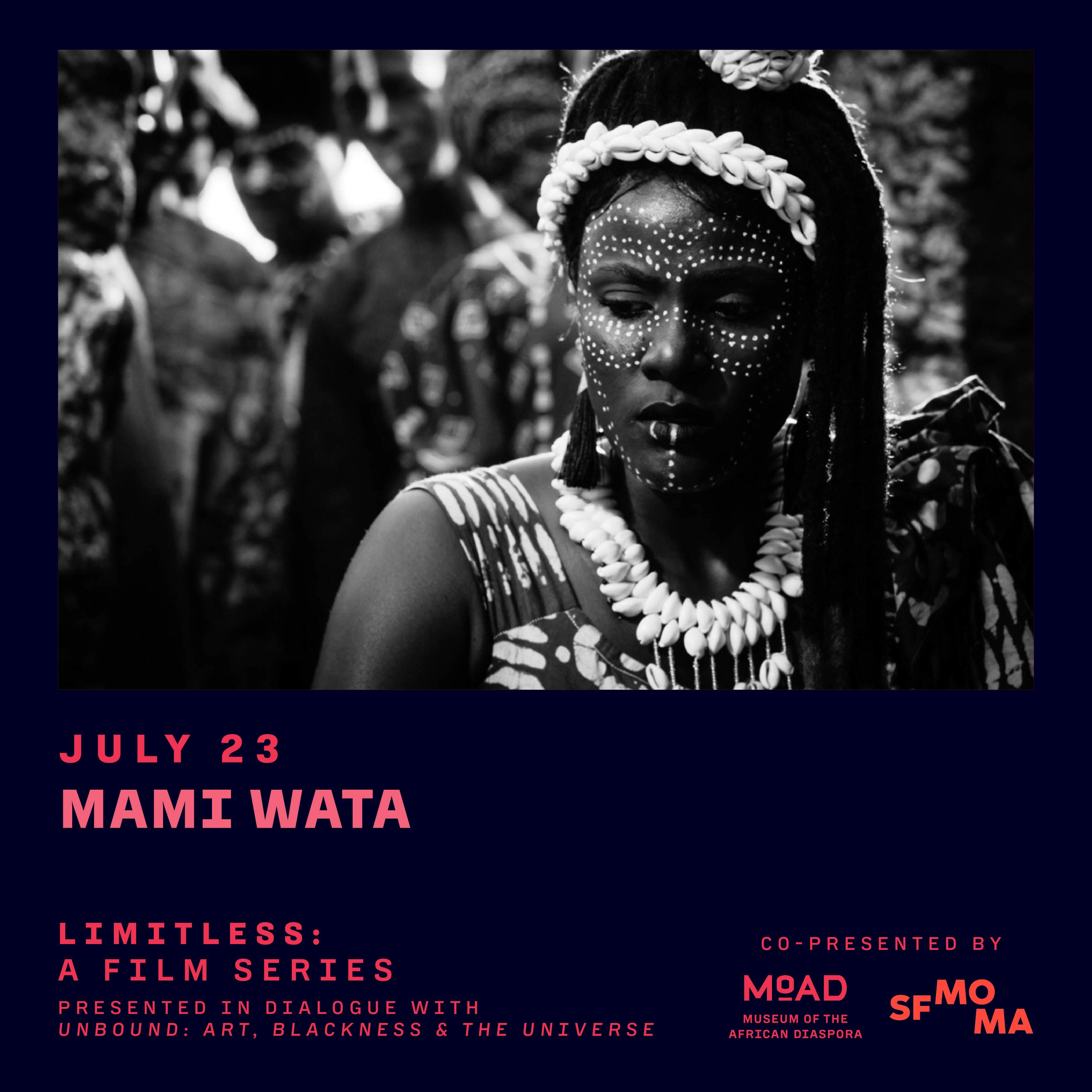
July 23, 6-9pm (@MoAD) MAMI WATA (C.J. “Fiery” Obasi, 107 minutes, 2023. In West African Pidgin English with English subtitles), followed by a post screening discussion with LIMITLESS curator Cornelius Moore in conversation with UC Santa Barbara Professor Jude Akudinobi.
Mami Wata is the all-powerful water goddess worshipped in parts of Africa and among the African Diaspora in the Americas. The film’s stunning black and white cinematography film won a special award at Sundance.
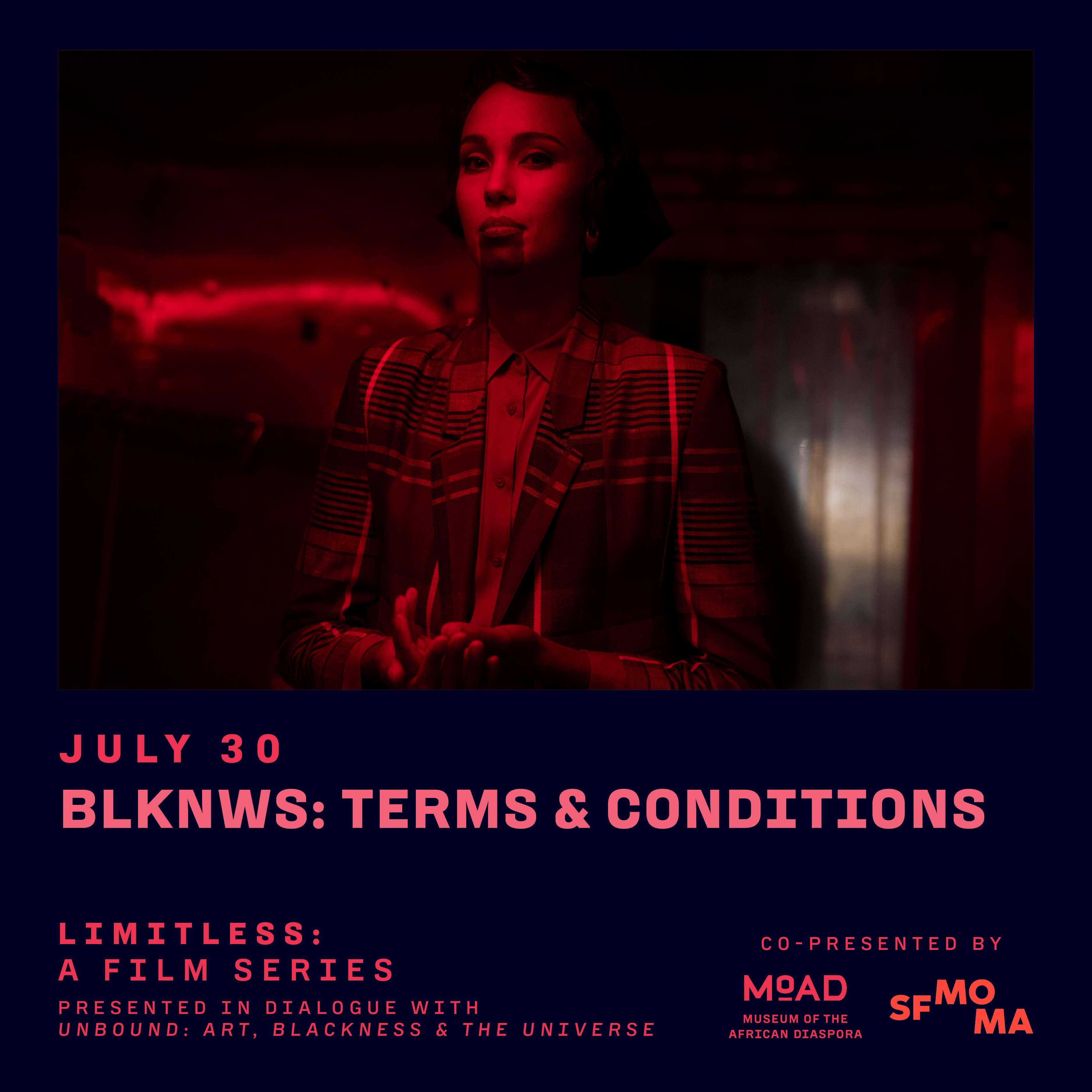
July 30, 6-9pm (@SFMOMA) BLKNWS: Terms & Conditions (Kahlil Joseph, 110 minutes, 2025), followed by a post screening discussion with Filmmaker Kahlil Joseph and Key Jo Lee, MOAD’s Chief of Curatorial Affairs & Public Programs.
Adapted from Kahlil Joseph’s highly acclaimed video installation with a mix of fiction and documentary forms, the film interweaves archival materials and fictional and historical characters. Inspired by W.E.B. Du Bois, Marcus Garvey, Saidiya Hartman and others, it can be viewed as a form of inventory as the collective memories of Black people.
filmmakers & SPEAKERS
Key Jo Lee
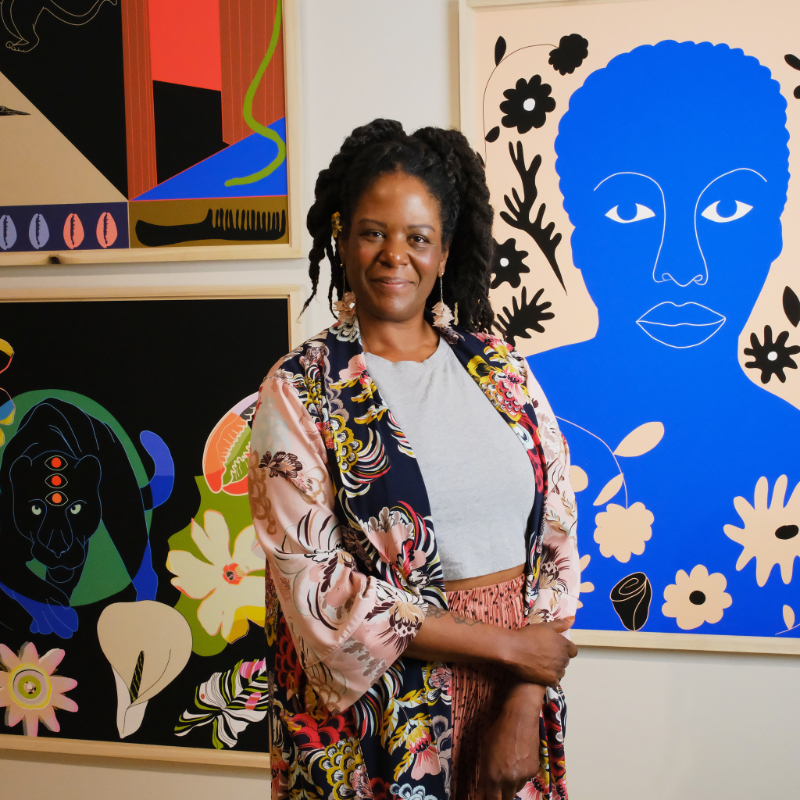
Key Jo Lee — Speaker
Key Jo Lee is Chief of Curatorial Affairs & Public Programs at the Museum of the African Diaspora (MoAD), where she thinks with artists about Blackness, perception, cosmology, interior life and the futures museums rarely know how to hold. With more than. Decade in the field, her work lives at the intersection of curating, theory, and institution-building, asking how exhibitions do intellectual work and how care can be designed, not just declared. Her recent projects include UNBOUND: Art, Blackness & the Universe and Liberatory Living: Protective Interiors and Radical Black Joy.
Previously, she was Associate Curator of American Art at the Cleveland Museum of Art. She is the author of Perceptual Drift, Black Art and an Ethics of Looking, has written for the Solomon R. Guggenheim Museum, and holds dual MA and MPhil degrees in History of Art and African American Studies from Yale University.
Cornelius Moore
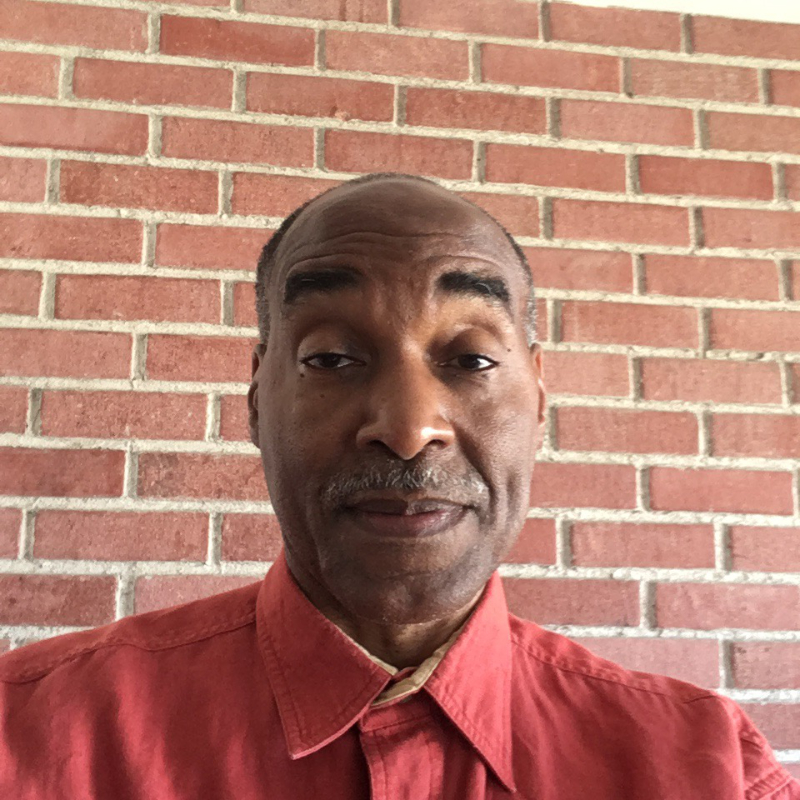
Cornelius Moore — Speaker
Cornelius Moore has a 50 year career as a film distributor, curator/festival programmer and dedicated advocate for Black film from the United States, Africa, Latin America, the Caribbean and Europe. He is Co-Director Emeritus of California Newsreel, the 58 year old San Francisco-based social issue film distribution and production company.
Cornelius is a film consultant and curator for, among others, the Museum of the African Diaspora, the Scribe Video Center, Filmfest DC and BlackStar and is on the Board of the New York African Film Festival.
John Akomfrah
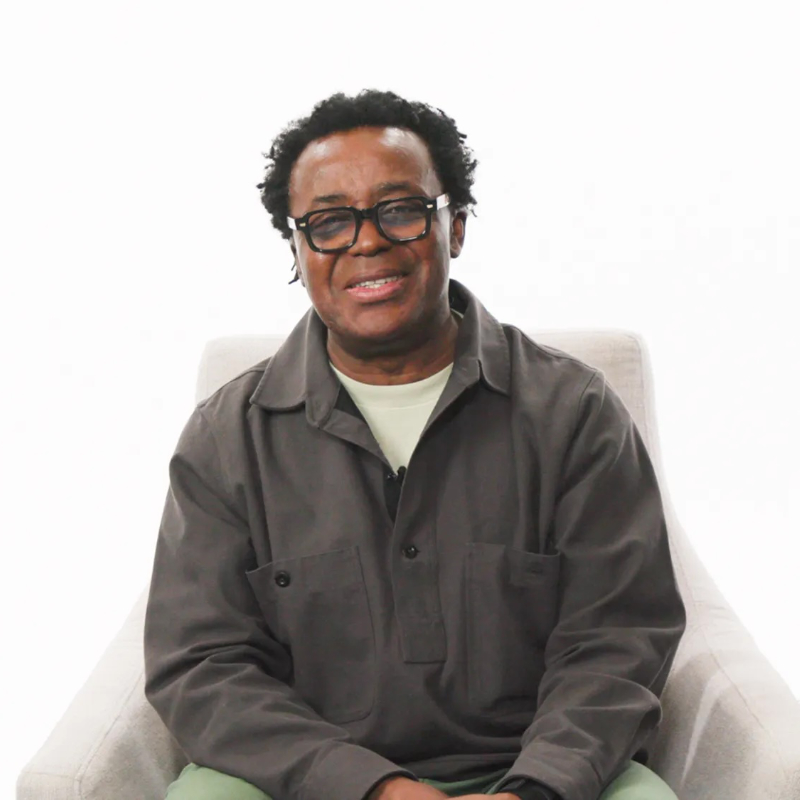
John Akomfrah — Director of The Last Angel of History (1996).
Born in Accra, Ghana, in 1957, to radical political activist parents, John Akomfrah was widely recognized as one of the most influential figures of black British culture in the 1980s. An artist, lecturer, and writer as well as a filmmaker, his twenty-year body of work is among the most distinctive in the contemporary British art world, and his cultural influence continues today.
As a teen, Akomfrah was a Super 8 filmmaker and enthusiast. With several underground ciné-clubs in London, he helped bring Asian and European arthouse cinema, militant cinema from Africa and Latin America, and American independent and avant-garde cinema to minority audiences.
In 1982, Akomfrah helped found the seminal, cine-cultural workshop the Black Audio Film Collective. He directed a broad range of work for the group, including fiction films, tape slides, single-screen gallery pieces, experimental videos, music videos, and documentaries.
Since 1987, Akomfrah's work has been shown in galleries including Documenta (Germany), the De Balie (Holland), Centre George Pompidou (France), the Serpentine and Whitechapel Galleries (UK); and The Museum of Modern Art (USA). A major new retrospective of Akomfrah's gallery-based work with the Black Audio Film Collective premiered at the FACT and Arnolfini galleries (UK) and is now making a tour of galleries and museums throughout Europe. In 2000, Akomfrah was awarded the Gold Digital Award at the Cheonju International Film Festival, South Korea, for his innovative use of digital technology.
He has been an artist-in-residence at universities including, most recently, New York University, and a jury member at festivals including, most recently the BFI London Film Festival, UK, and the Tarifa International Film Festival, Spain. He has lectured at institutions including CalArts, the Art Institute of Chicago, and the London Institute. He was a member of the Arts Council Film Committee, and Governor of the British Film Institute from 2001 through 2007. John Akomfrah is currently a Governor of Film London, a visiting professor of film at the University of Westminster (United Kingdom), and an officer of the Order of the British Empire.
Tianna S. Paschel
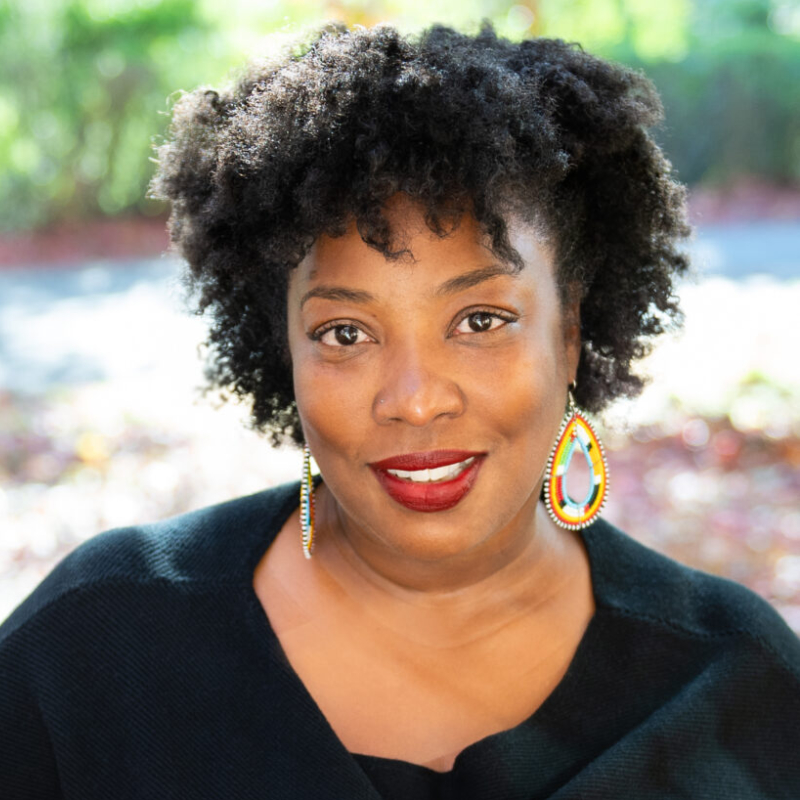
Tianna S. Paschel — Speaker
Tianna S. Paschel is an associate professor in the Department of African American Studies and Sociology (by courtesy) at the University of California, Berkeley where she also earned her doctoral degree. She served as co-director of the Black Studies Collaboratory, which brought together artists, activists, locals, and scholars to amplify the interdisciplinary, political, and world-building work of Black Studies. Her research and teaching focuses on race, inequality, development and globalization in the Americas, with a special interest in how Black communities mobilize to create a better world.
She is the author of the award-winning book Becoming Black Political Subjects (2016) which analyzes Black social movements in Colombia and Brazil and their successful but complex struggle for land rights, affirmative action and other ethnoracial policies. Her work can be found in the American Journal of Sociology, the Du Bois Review, SOULS: A Critical Journal of Black Politics, Culture and Society, and Ethnic and Racial Studies. She is also co-author of Normalizing Inequality: How Californians Make Sense of the Growing Divide with Cristina Mora (2026). She is a mom, urban farmer, and a dancer who has practiced, taught and performed Afro-Diasporic dance for decades.
Rae Shaw
.jpg)
Rae Shaw — Speaker
Rae Shaw is a Black female writer-director whose work has been evolving to stretch the boundaries of how Black women see and are seen in the world. Her work concentrates on lifting the experiences of Black women and women of color by telling stories that dimensionalize us in spaces that have sought to diminish, exploit and punish us through stereotypes. Her screenplays have won honors at top international screenwriting competitions, and her film work has screened at top film festivals. She is the author of the recent book, THE SHORT, from MWP, the foremost publisher of independent filmmaking books.
As a filmmaker, shorts curator, and script archivist her current work seeks to defy category, challenge impossibility, and build safe spaces for women and people of color to be vulnerable and authentic; and to play with the lines of reality and fiction; genre, form and time, and still and moving media. She is the recipient of several fellowships including recent Mellon and ITVS DDF Fellowships. Professor Shaw teaches in the School of Cinema at San Francisco State University.
Dr. Jude G. Akudinobi
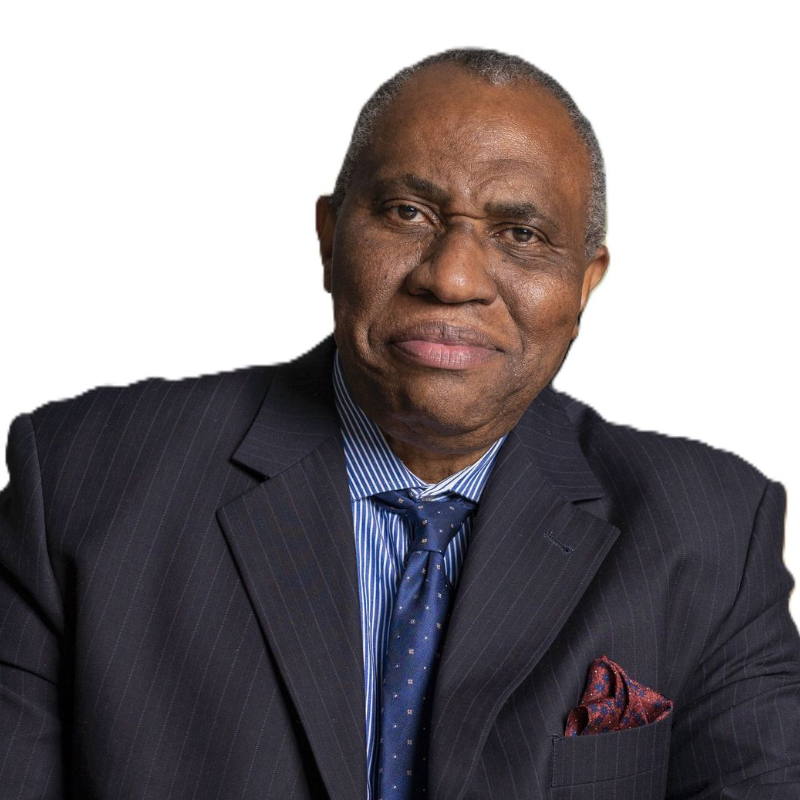
Dr. Jude G. Akudinobi — Speaker
Dr. Jude G. Akudinobi earned his PhD in Cinema-Television from the University of Southern California and teaches in the Department of Black Studies, at the University of California, Santa Barbara. On the Advisory Boards of Silicon Valley African Film Festival, as well as African Film and Arts Foundation, Dr. Akudinobi’s, research interests and teaching span the complexities of cultural politics, postcolonial literatures, African diasporas, arts, popular cultures, media and cinemas. Notably, his works on African cinemas have appeared in various publications and anthologies.
Kahlil Joseph
%20(1).png)
Kahlil Joseph — Director of BLKNWS: Terms & Conditions (2025).
KAHLIL JOSEPH, DIRECTOR/WRITER/PRODUCER/EDITOR is an acclaimed artist and filmmaker known for his visionary approach to storytelling through film and video installations. His work challenges conventional linear narratives, using sound and music as materials to evoke lyricism and complexity.
Born in Seattle, Joseph began his career working for photographer Melodie McDaniel and director Terrence Malick. His early visual style was influenced by the experimental films of Apichatpong Weerasethakul, and references to Andrei Tarkovsky and Chris Marker coexist alongside an exploration of the vastness of the Black experience. Joseph first gained widespread recognition with his 2013 short film, “Until the Quiet Comes,” for musician Flying Lotus, which won the Grand Jury Prize at the Sundance Film Festival.
A hallmark of Joseph’s practice is his ability to create works that bridge art and community. His most ambitious and ongoing project is BLKNWS, a conceptual artwork and business that redefines how Black culture is experienced and communicated. Conceived as a continuous, curated broadcast, BLKNWS merges news clips, social media content, and cultural artifacts into a dynamic stream that reflects the richness of Black life. First showcased at the Venice Biennale in 2019, BLKNWS has since expanded into a networked platform, featuring satellite installations in barbershops, cafés, and community spaces.
Joseph has also served as creative director for The Underground Museum. Founded in 2013 by his late brother Noah Davis, the Los Angeles independent art space and community hub is a pioneering venue for accessible and innovative exhibitions.
